Rocket Launches – The Good, the Bad & the Ugly

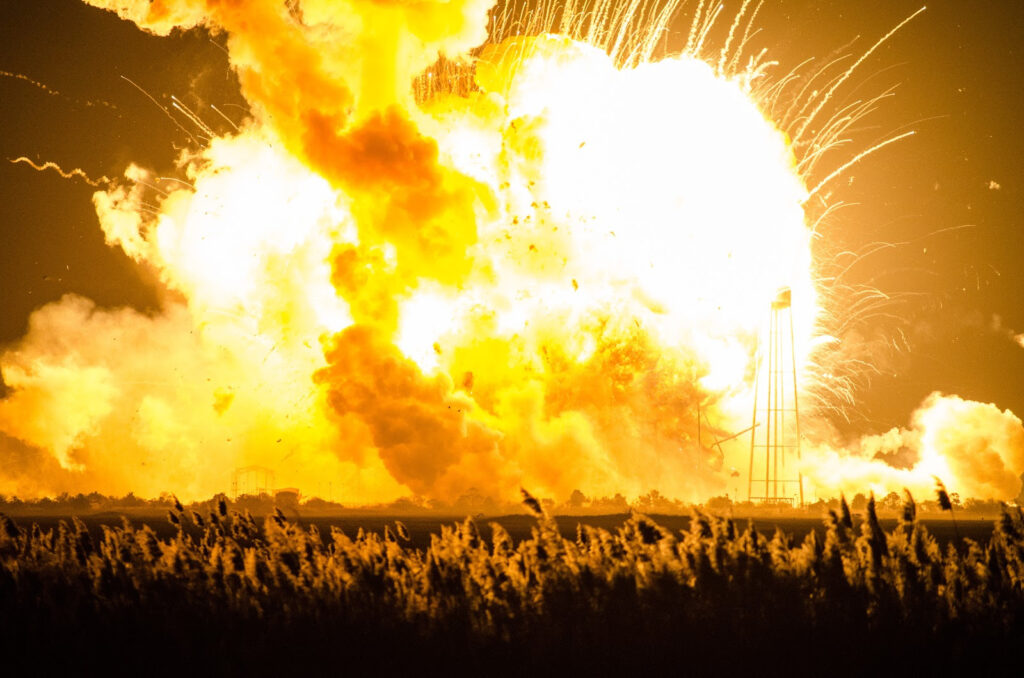
Failed Rocket Launch (taken by Sven Krasser)

Rocket launches are exciting, risky, and a necessary step in getting to space. As NASA, SpaceX, Blue Origin, Rocket Lab, and others continue to make strides in rocket technology, performance, and reusability, we see on a fairly regular basis the complexity and difficulty of launching satellites, humans, and cargo to space – sometimes ending in explosions similar to the photo above. We also get to experience the awe of successful launches and, at times, the intense shock waves and sounds of returning boosters.

This post is a double feature of the launches for two of my flight missions – one successful and one not-so-successful… 
Sentinel-6 Launch, Take 2!

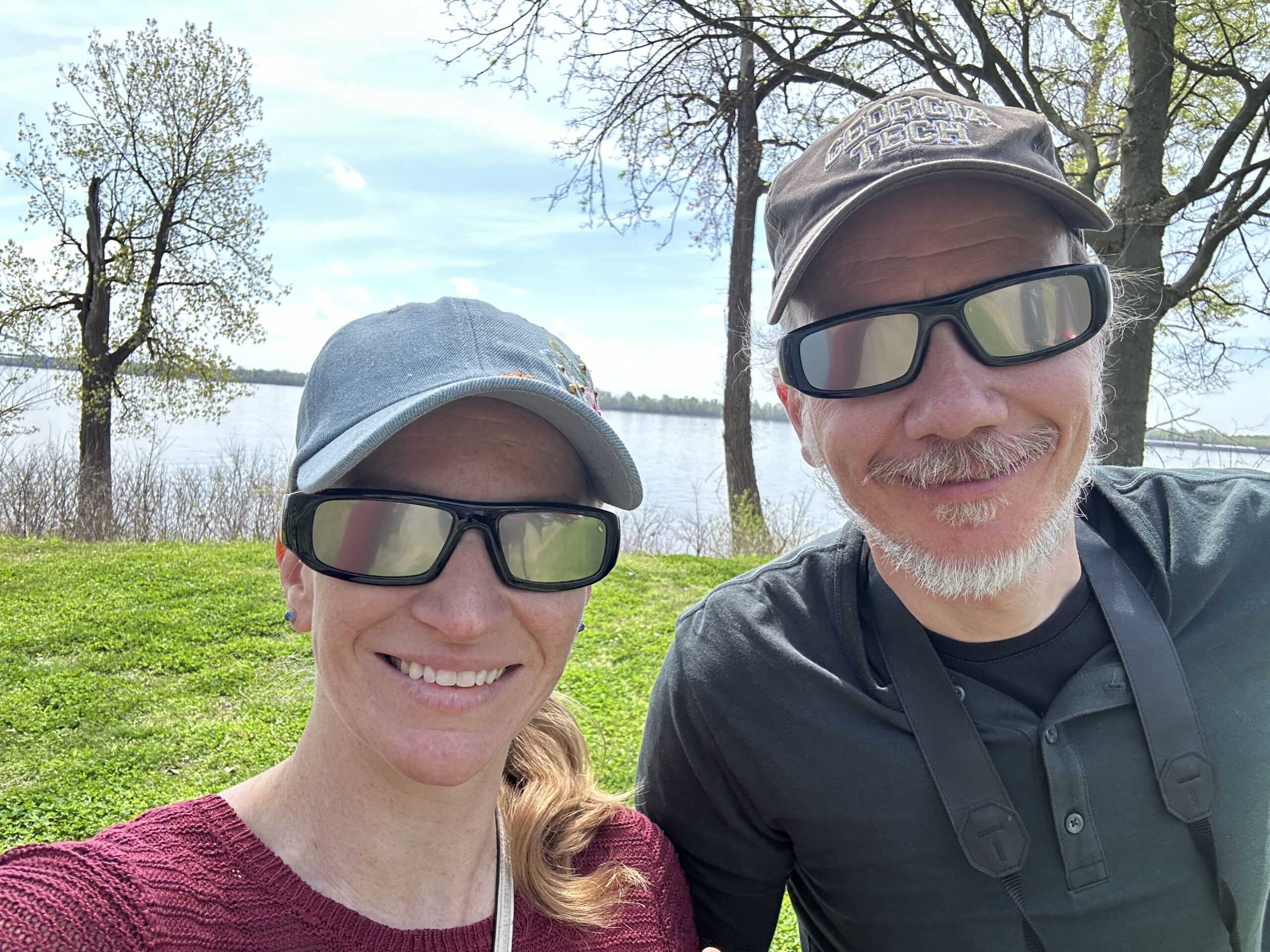
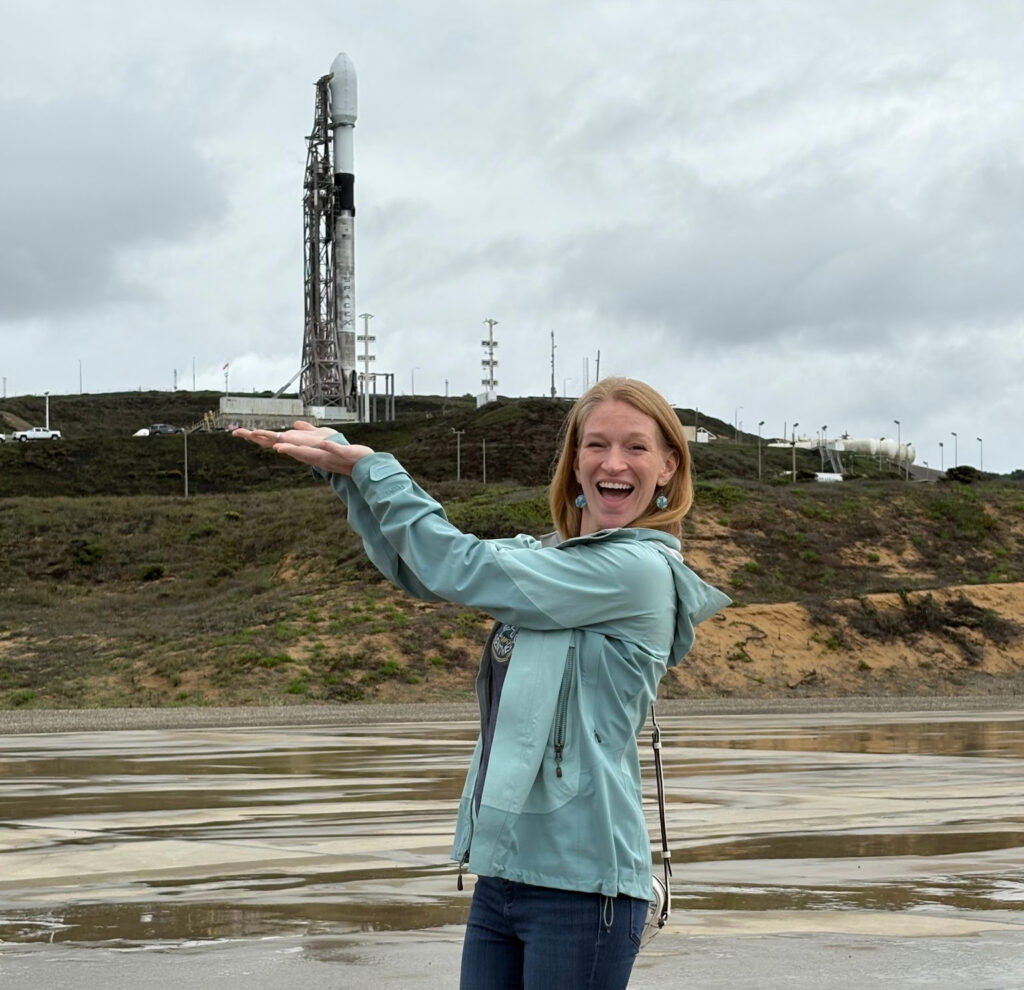
Having Fun at the Sentinel-6B Launch Pad Viewing

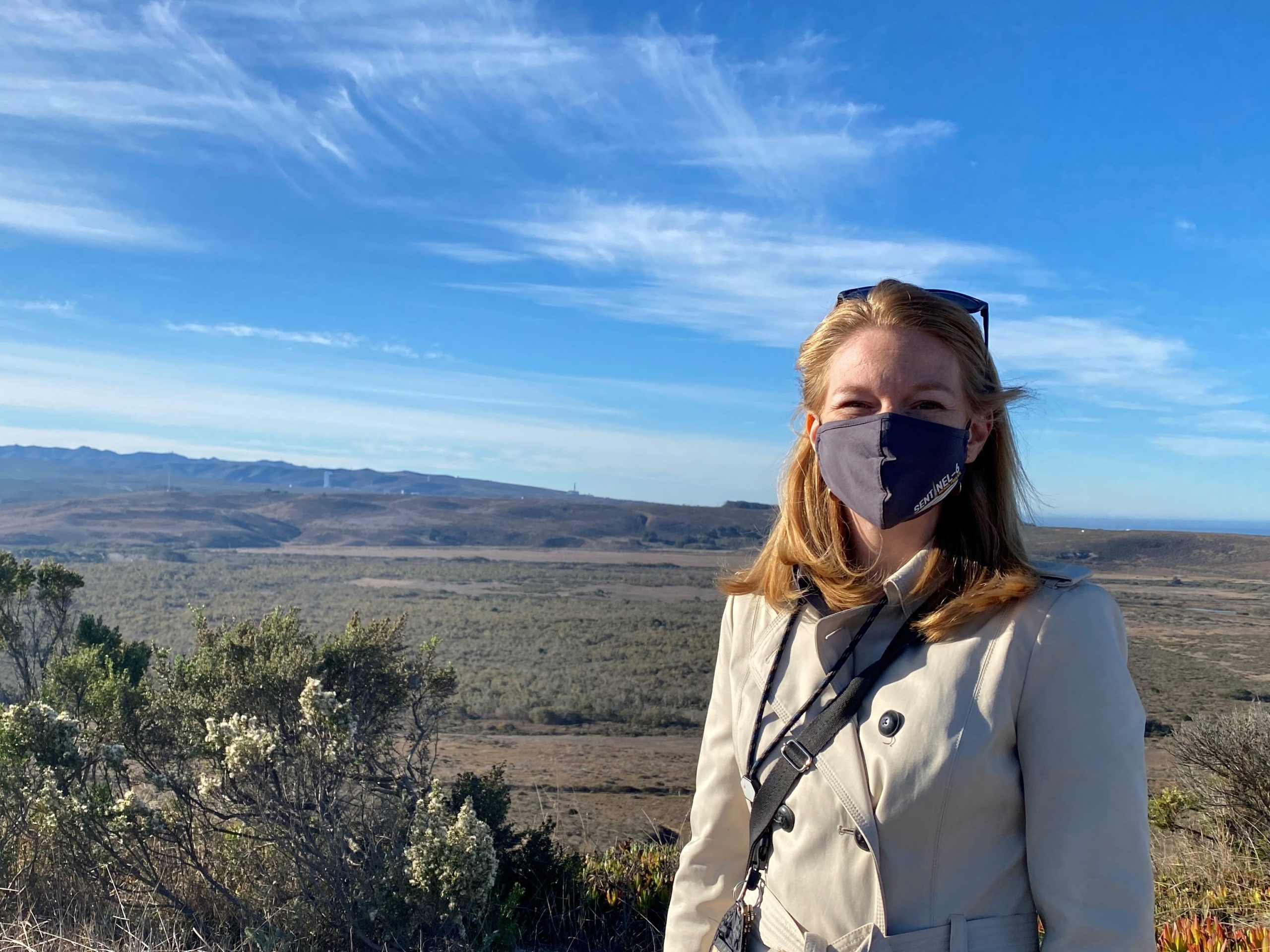
Sentinel-6B, the sister satellite to Sentinel-6A (named Sentinel-6 Michael Freilich), was scheduled to launch five years after Sentinel-6A launched from Vandenberg Space Force Base in California. I was fortunate to see the Sentinel-6A launch in November 2020 and participate in the public outreach and media activities, and you can learn more about that adventure in my “A Beautiful Day for a Launch” post.

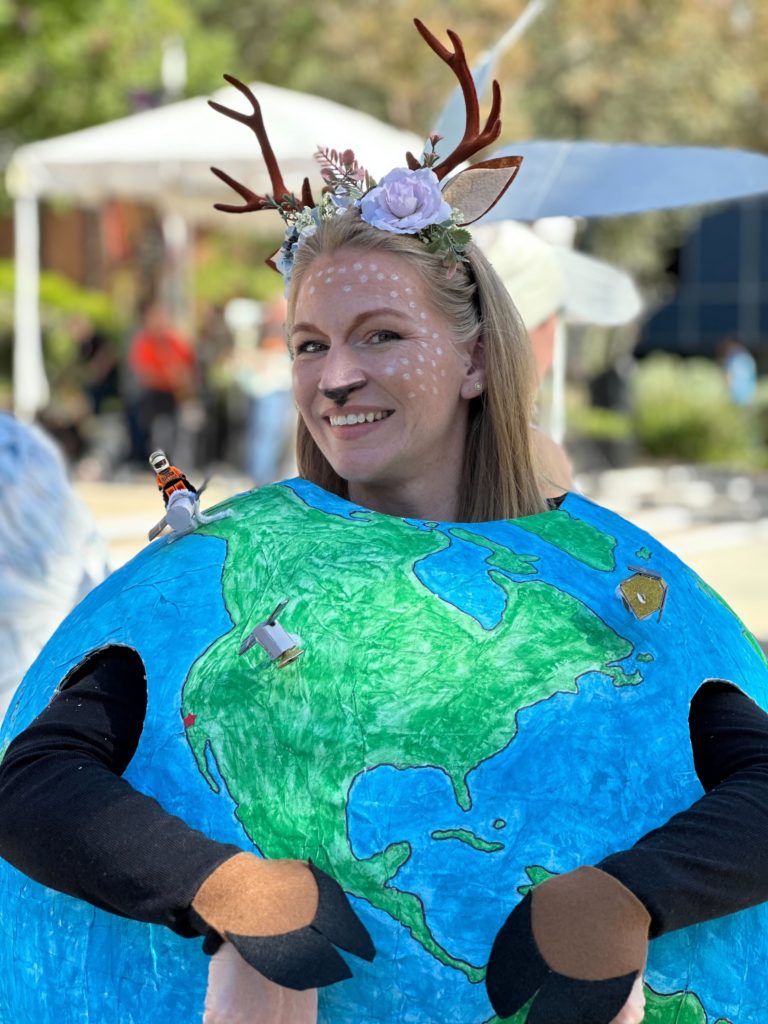
Deer Mighty Things Together

Halloween is a big deal at JPL. Not only is it a great opportunity to be creative and dress up, it’s also JPL’s birthday. Each year JPL celebrates this milestone and holiday with a costume contest, pumpkin carving contest, and a number of other fun activities. After being a spectator for many years, I finally participated in the costume contest last year as a Minion Astronaut with a good friend and coworker, utilizing our recently acquired Adult Space Camp flight suits (more about that in a future blog) and fun DIY jet packs and glasses from soda bottles and Mason jar lids. 

Lighting Up The Moon

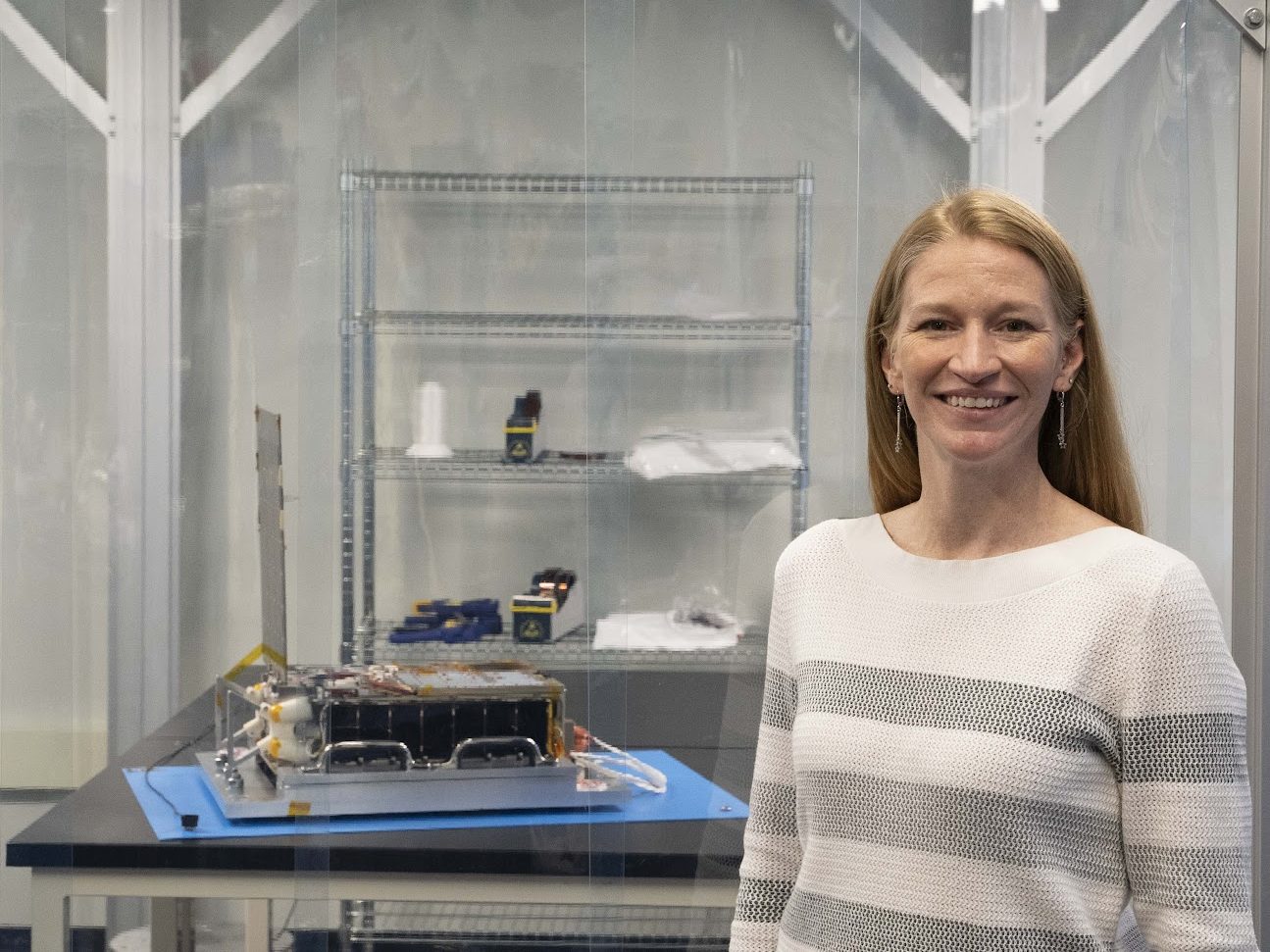
Me with the Lunar Flashlight Satellite

My latest CubeSat project, Lunar Flashlight, is on its way to the Moon! As the name suggests, Lunar Flashlight will “illuminate” permanently shadowed craters of the Moon using a laser instrument to search for water ice. The journey to the Moon will take four months, and then the real excitement begins as the toaster oven-sized satellite orbits the Moon and sends back laser measurements that could one day be used for human habitation on or near the lunar surface.

Arduinos and Leggings and Lights, Oh My!

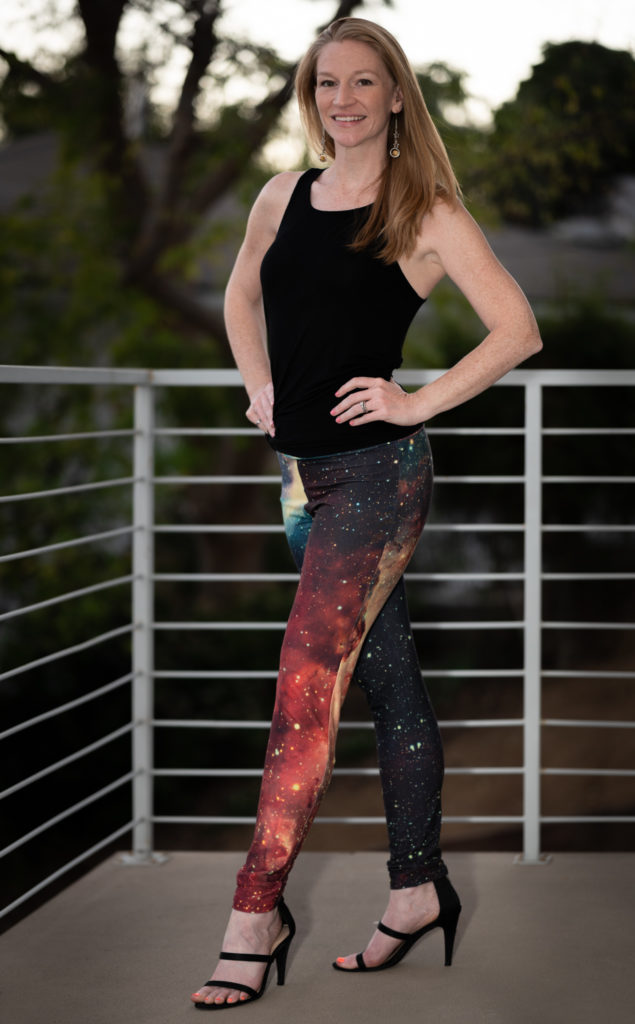
My STEM-inspired sewing endeavors started in 2019 after a desire to have a space-themed dress for outreach activities. After two dresses, a blog post, and getting to share my sewing and artistic passions in late 2020 via the Sentinel-6 Michael Freilich launch media events, I wanted my next STEM-themed sewing project to take things to the next level — it was going to twinkle! I’ve always enjoyed seeing garments that light up, and I decided it was time to have one of my own.

From Cradle to Grave – My RainCube Story

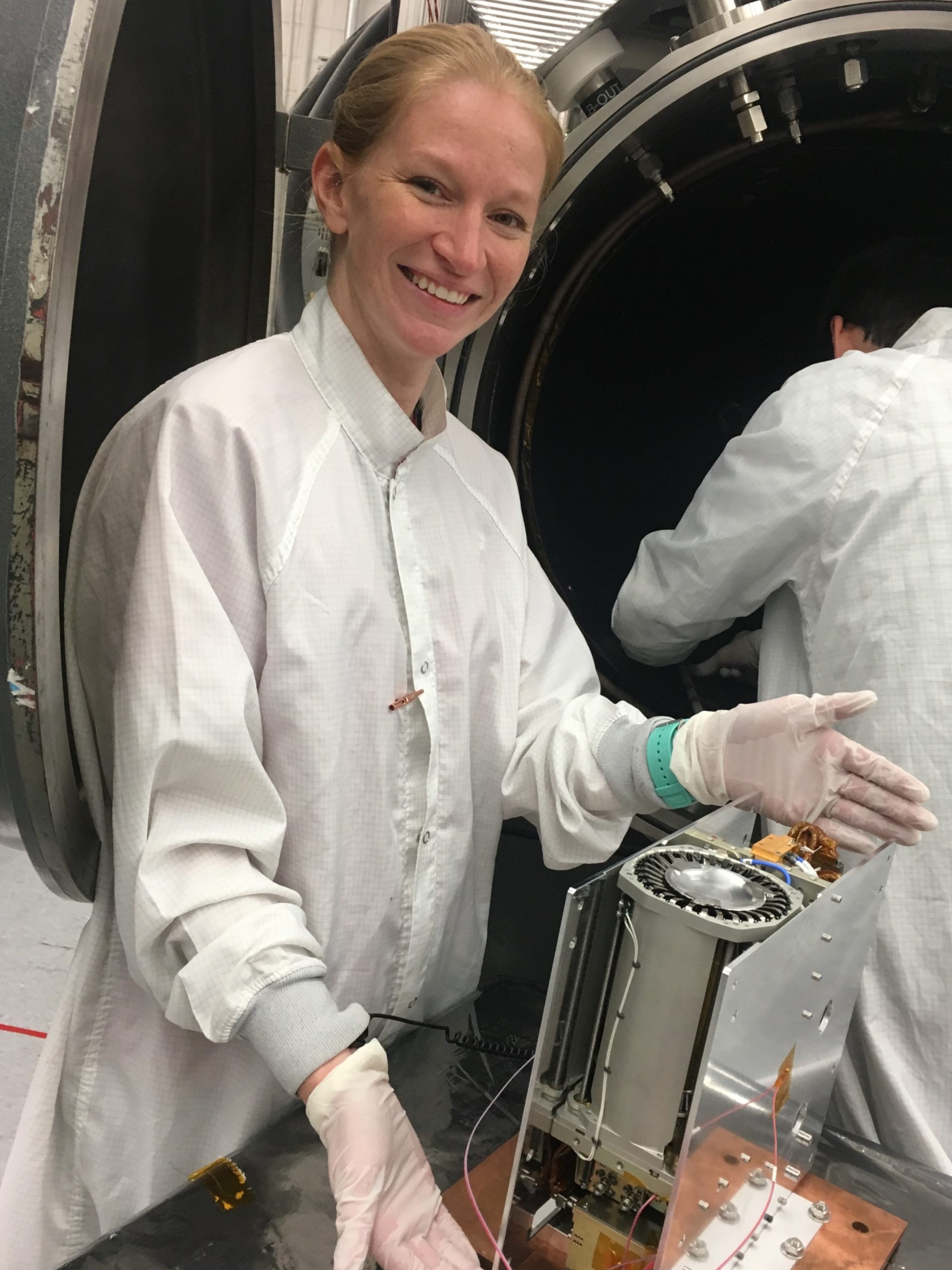
Me with the RainCube Flight Radar, 2017

While celebrating my 10 year work anniversary at JPL earlier this year (Feb 2021), I serendipitously was saying farewell to a project and team I had been managing for the past five years. RainCube, which stands for Radar in a CubeSat, is an Earth Science mission that successfully demonstrated the first active radar on a CubeSat. In 2015, when I started leading a feasibility study for the RainCube mission concept, radars and CubeSats were somewhat of an oxymoron. CubeSats are miniature satellites with modest capabilities compared to traditional satellites, and traditional space radars require a lot of satellite resources (power, mass, volume, etc.). Fortunately, CubeSat technologies were quickly advancing while the development of a miniaturized radar at JPL was showing a lot of promise. This ultimately led to a competed mission proposal and selection by NASA and the beginning of my five year journey as the RainCube Project Manager.

A Beautiful Day for a Launch

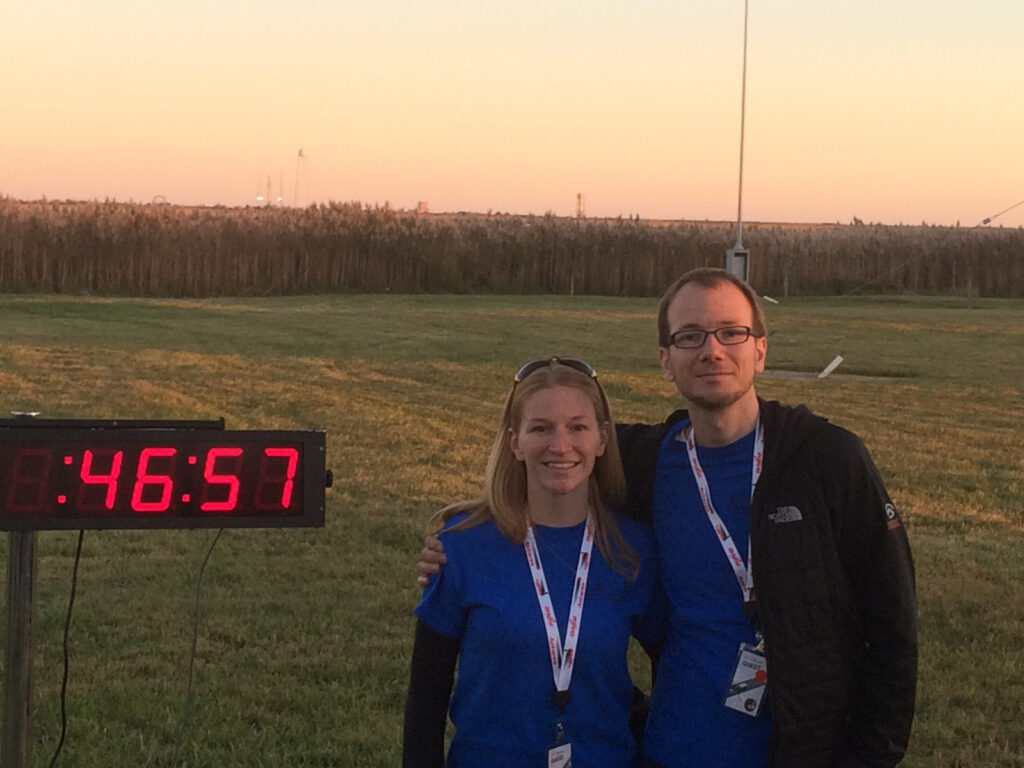
Launch Day with Sentinel-6 Rocket in the Background

The Sentinel-6 Michael Freilich satellite launched from Vandenberg Air Force Base on Saturday, November 21st. Notoriously known for the marine layer that covers this area in fog and often obstructs the view of rocket launches, I had low expectations (but high hopes) for good visibility of the Sentinel-6 launch. At T-0 on launch day, we had beautiful fall weather, low winds, and clear skies, and Sentinel-6 launched with spectacular views.

Earth, My Favorite Planet

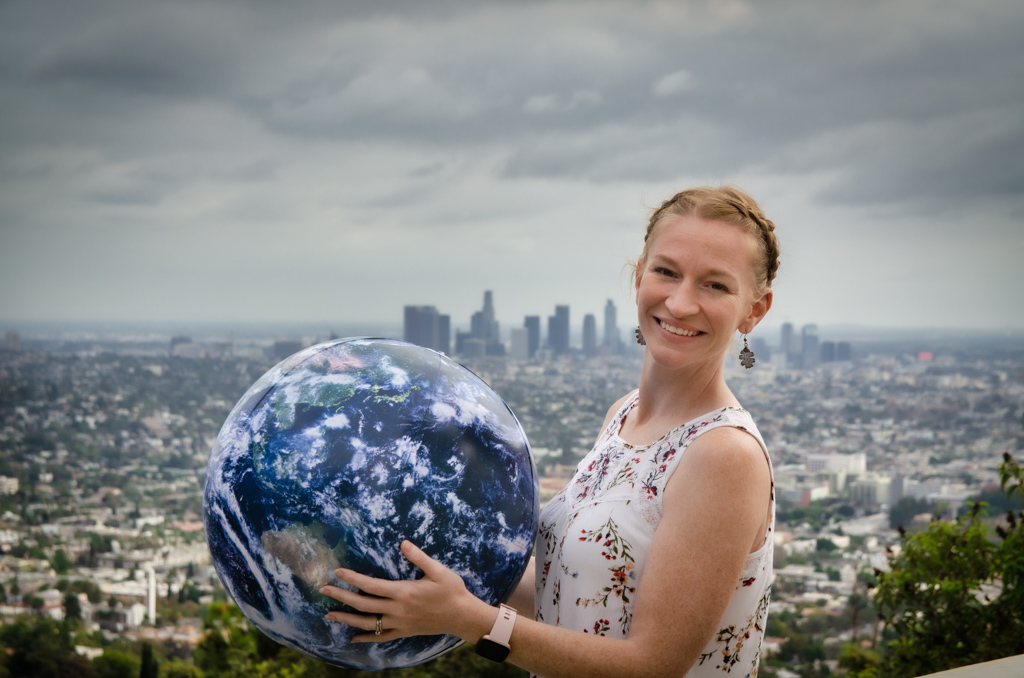
JPL is mostly known for its Mars rover missions (such as Spirit & Opportunity and the more recent rovers that you can read about in my first blog post) and deep space missions such as Voyager and Cassini. However, JPL also contributes significantly to Earth Science missions for NASA – missions that study our planet and help us better understand how it is changing. In fact, up to 25% of JPL’s business on average is dedicated to Earth Science, and most of my career at JPL thus far has been working on satellites that orbit and monitor the Earth.